
History
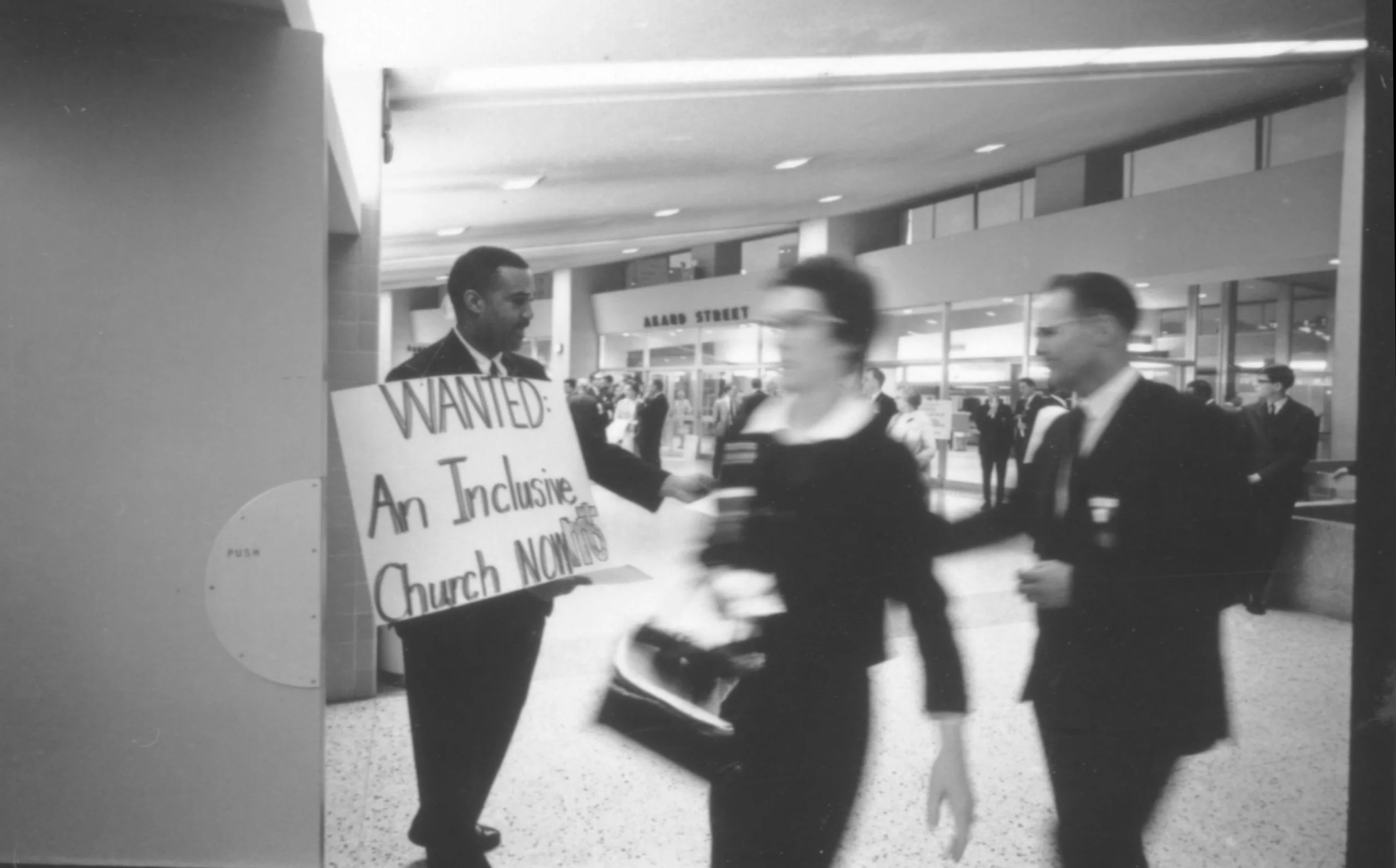
The General Commission on Race and Religion (GCORR) was created at the very founding of The United Methodist Church - at the 1968 Uniting Conference. Today, GCORR remains a symbol of how matters of race and religion continue to be at the forefront of our life of faith in Jesus Christ in the Wesleyan Way.
1970
The General Conference established the Minority Group Self-Determination Fund for the empowerment of diversity, inclusion, and racial justice work within and outside of the church and entrusted its administration to the Commission
1972 - 1984
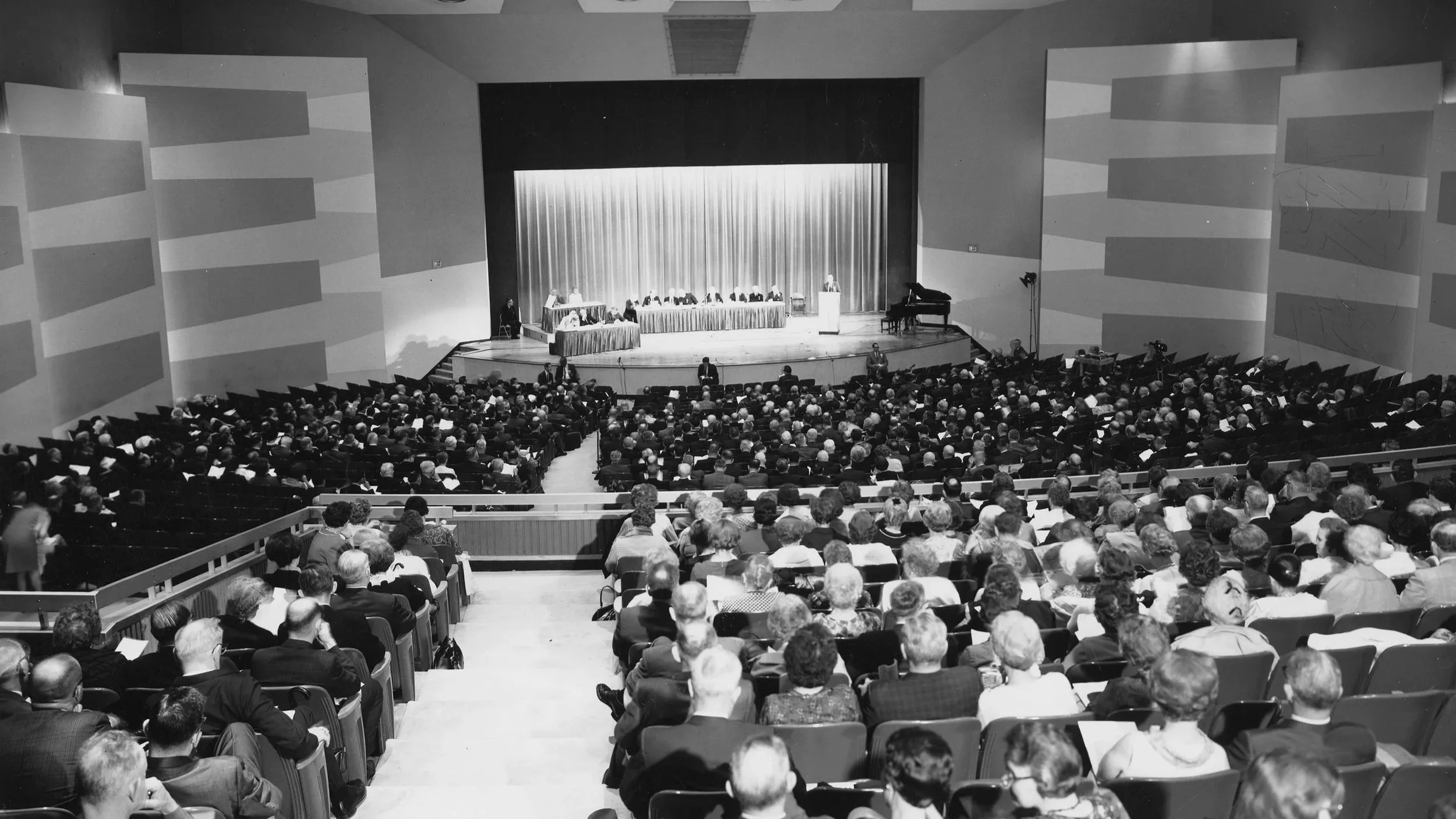
The General Conference established GCORR as a permanent standing agency and provided for its representation among and linkage to annual conferences.
In its report to the 1972 General Conference, the Commission noted “there is no non-white person serving as chief executive of any regular board or agency of The UMC. It is also disheartening to observe the near total absence of other ethnic minority persons in staff positions in our boards and agencies.”
GCORR began leadership training for annual conference Commissions on Religion and Race, participated in various consultations on racial/ethnic minority ministries, and initiated education and training for churches in racially changing communities.
The General Conference approved “Developing and Strengthening of the Ethnic Minority Local Church for Witness and Mission” as the single missional priority for the denomination. Annual conferences were required to develop and approve comprehensive plans for implementation.
The General Conference also approved a resolution that the Council of Bishops and GCORR should jointly sponsor a national convocation on racism, to be followed by five jurisdictional convocations on racism.
1984 - 1992
GCORR created a White Concerns Committee to enable the church to become more accountable for helping white persons be more involved in the struggle against racism.
1987: The National Convocation on Racism (“Racism: The Church’s Unfinished Agenda”) was held in Louisville, Kentucky.
1998: GCORR opposed a General Conference resolution to make English the official language of the United States and celebrated the agency’s 20th anniversary by affirming the significant accomplishments made in addressing racism in The UMC and accepted the challenge to continue to work on “Racism, The Church’s Unfinished Agenda”.
1988 - 1989: The five jurisdictional convocations were held.
1991: GCORR’s Terminology Task Force produced “The Language of Hospitality: Intercultural Relations in the Household of God”, a study resource and guidebook to help church leaders and local church members use language as a tool for shaping and building the multiracial and multicultural family of God.
1992 - 2000
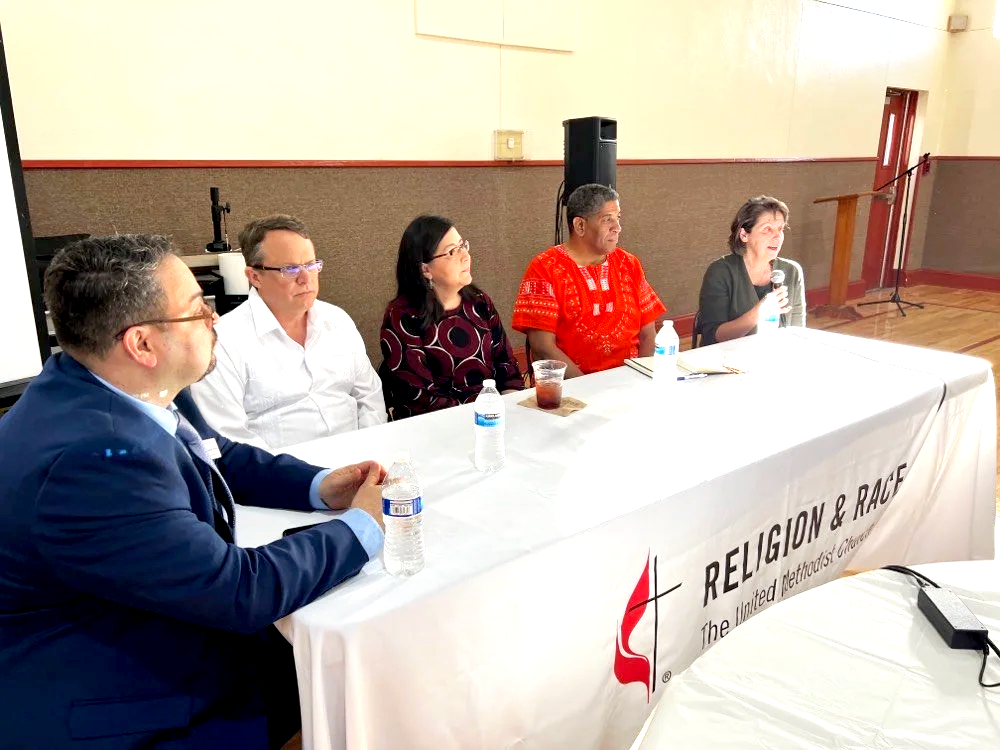
GCORR conducted 23 on-site annual conference reviews and requested comprehensive plans on inclusiveness from all annual conferences. To facilitate this task, GCORR developed criteria for the plan development.
GCORR collaborated with the General Boards of Church and Society and Global Ministries, and the United Methodist Rural Fellowship in establishing a Racism in Rural Areas Task Force to study the manifestations of racism, personal and institutional, prevalent in rural areas. The report and recommendations of the Racism in Rural Areas Task Force study were approved by the General Conference.
GCORR continued to emphasize on-site reviews of annual conferences and development of new resources for understanding and addressing racism, such as: “The Anti-Racism Study/Action Guide” series, published in cooperation with the General Board of Church and Society; “In the Struggle Towards Racial Justice and Inclusiveness: Thoughts for your Reflection and Action”; and the video “Diversity is . . .”
2000 - 2008
GCORR worked to make the vision statement a reality by:
Responding to the aftermath of September 11, 2001, by providing churches with positive responses to empower their communities to deal with issues of racial profiling and race-based fear and prevent hate crimes;
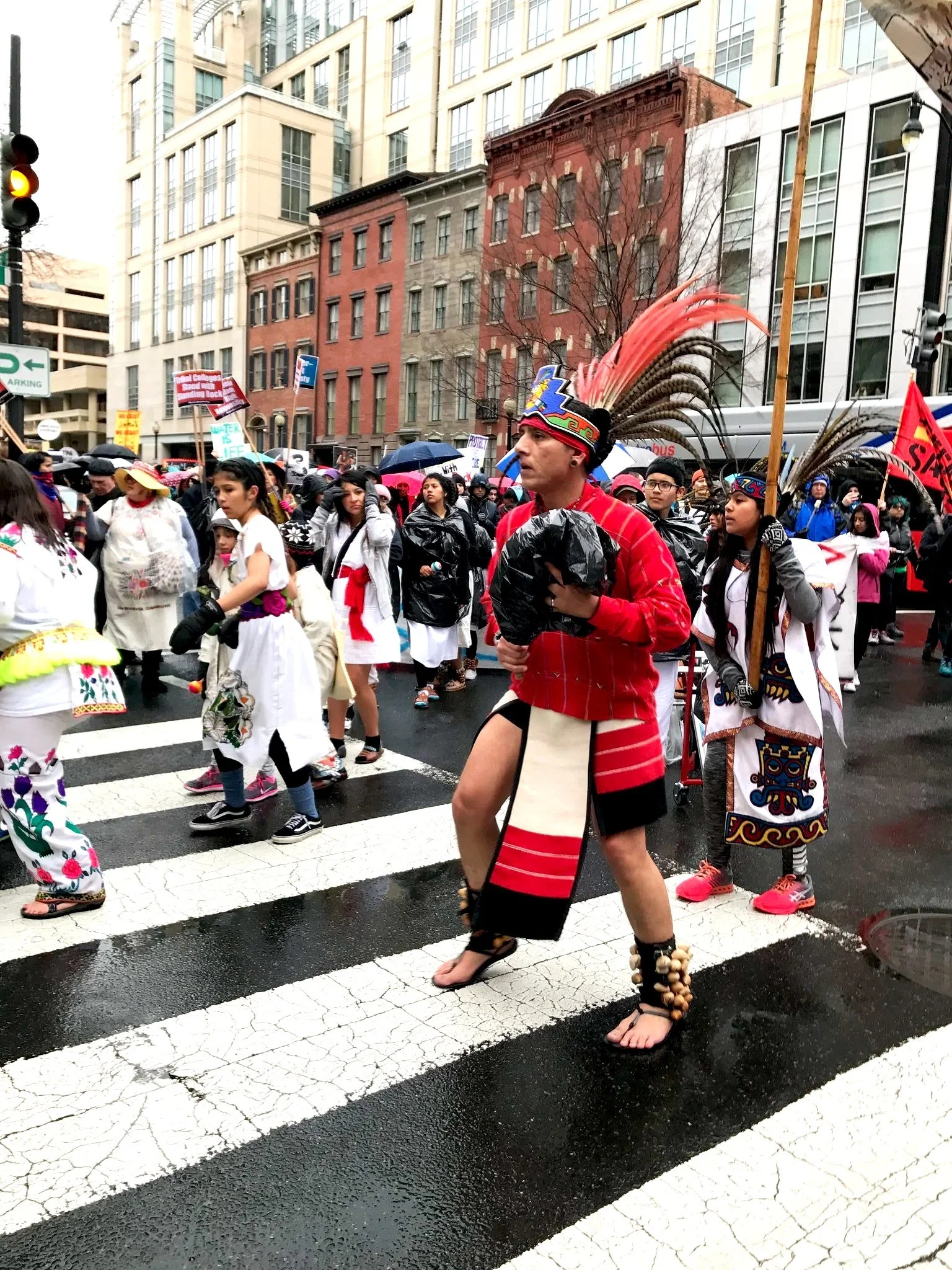
Standing in unity with Native Americans who face blatant disregard for their dignity and sacred traditions when sports teams distort their identity and likeness through the use of mascots that extend the myth of Native American aggression;
Calling the attention of The UMC to the effects of employment downsizing on the diversity of general church agencies; and
Working with the racial/ethnic caucuses to advance their church-wide plans for ministry development.
2003: GCORR celebrated 35 years of ministry and service to the denomination and renewed its commitment to combating racism by adopting the following vision statement and a plan for ministry:
“The vision of the General Commission on Religion and Race is rooted in God’s call for justice. It is a vision of a church that is increasing its experience of and commitment to God’s gift of diversity, inclusiveness, and racial justice through all its structure, programs, and lifestyle.”
2008 - 2018
GCORR endorsed the “Drop the I-Word” public education campaign to eliminate the use of “illegal” as part of conversations on immigration.
GCORR trained 2,500 lay and clergy leaders; led over 15,000 hours of coaching and consulting with church leaders across the globe; provided assistance in over 50 annual conferences in the United States and 15 annual conferences outside of the United States; and conducted over 600 individual, group, and organizational assessments of intercultural competency and institutional equity. GCORR awarded over $2,300,000 to 61 programs around the global church to create culturally diverse, relevant, and vital congregations and to develop interculturally competent leadership and ministries.
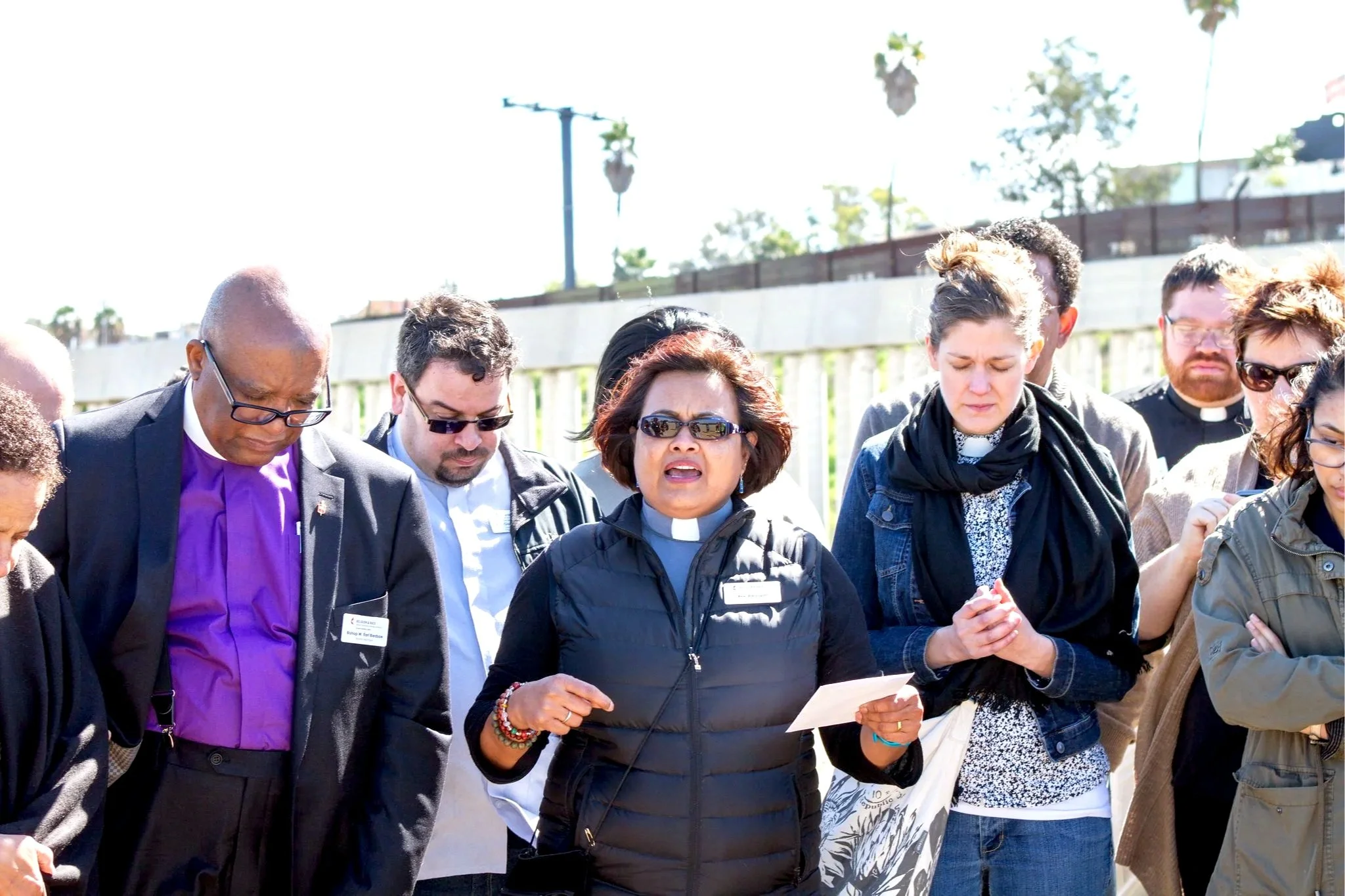
GCORR’s board and executive staff embarked on a learning trip to Manila, Philippines, and crossed the US-Mexico border to forge partnerships and discuss the bridge-building work of intercultural competency in the context of the global United Methodist Church.
2010: GCORR and the General Commission on the Status and Role of Women for the United Methodist Church (GCSRW) published a white paper that examined employment by gender and race at each level of the church and evaluated how representation reflected a growing need for racial inclusivity.
2011: GCORR awarded more than $300,000 to 13 recipients for innovative programs promoting intercultural competency and racial equity within the denomination.
GCORR expanded its focus by embracing a new model of ministry centered around three priorities: supporting and leading vital conversations, developing interculturally competent leadership and ministries, and promoting institutional equity, while upholding the agency’s historic commitment to racial justice within the church.
GCORR convened the boards of governance from the five racial/ethnic caucuses of The UMC to support board development, empowerment, and collaborative conversations.
2015: GCORR launched an interactive video series featuring a diverse group of experts on topics related to racism and inequality.
2016: GCORR convened roundtable meetings in the central conferences to lead the Commission’s efforts to provide contextual and culturally relevant resources developed for the identified needs in each geographic area.
2016: GCORR released two major research reports and best practice manuals on cross-racial/cross-cultural (CR/CC) appointments and understanding multiculturalism in the church to aid conferences, districts, and local congregations.
2018 - Present
GCORR creates the “Church to Community” campaign showcasing the innovative ways that local UMC churches successfully reached more diverse and younger people—to encourage expansion of similar models and work throughout the UMC connection.
GCORR board members participated in an immersion experience with local faith and civic leaders in Chicago’s South Side neighborhood to better understand the unique challenges and opportunities of urban ministry—and learn how to more effectively resource urban UMC congregations in their community engagement efforts. This included expanding resources for a wider audience and in multiple languages, in partnership with DMC and renewed and ongoing collaboration with ethnic caucuses and UMC ministry Plans.
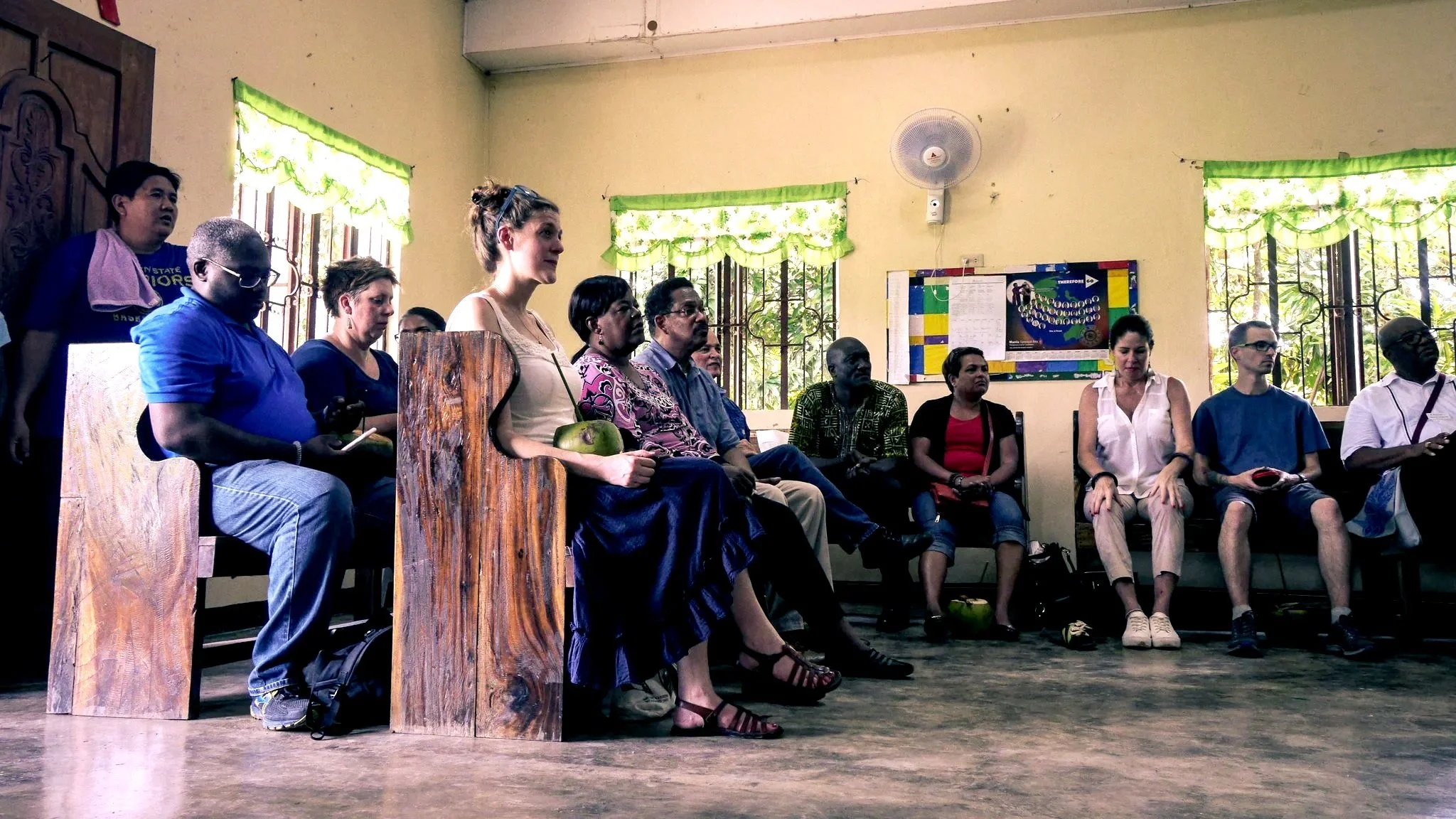
GCORR executive staff and the board of directors traveled to Zimbabwe, Uganda, and the Democratic Republic of the Congo to meet with episcopal and local leadership in each country to better understand tribalism throughout these regions and discuss how GCORR’s three-pronged Ministry Model (intercultural competency, institutional equity, and vital conversations) could support local efforts to build bridges across tribal lines.
GCORR conducted consultations in Africa and the Philippines to further the work of equity and vital conversations in these regions.d
GCORR collaborates with the National Plan for Hispanic/Latino Ministry of the United Methodist Church and the Inter-Ethnic Strategy Development Group to call for further support from government leaders for migrants in DC and nationally.
2020: GCORR responded to the xenophobia and racism during the pandemic. Bishop Moore Koi-koi was elected President of GCORR.
2021: GCORR launched the “Expanding the Table” Podcast on how individual Christians and church-based entities can and should engage the work of racial justice-making and anti-racism. Rev. Dr. Giovanni Arroyo was elected General Secretary of GCORR, becoming the first Latino in this position.
2022: GCORR launched the “What is?” Series - a compilation of concise definitions, examples, and Biblical/theological foundations to create common vocabulary for Christians to engage in antiracism work.
2023: GCORR responded to the Supreme Court’s decision on Affirmative Action. GCORR hosted the 2023 Facing the Future Conference for Clergy in Cross-Racial, Cross-Cultural ministry.
2024: All GCORR-proposed legislation was overwhelmingly approved by General Conference.
2025: GCORR received a $1.5 million Lilly Endowment Grant in support of its five-year project, Resilient Leadership: Latine Pastoral Development and Capacity Building, to empower Hispanic/Latine pastoral leaders and enhance GCORR’s organizational sustainability. GCORR joined more than two dozen Christian and Jewish denominations and associations in a lawsuit to protect religious freedoms. GCORR hosted the 2025 Facing the Future Conference for Clergy in Cross-Racial, Cross-Cultural ministry. GCORR co-hosted the Sand Creek Massacre Exhibition at the United Methodist Building.